The Unprecedented Spring Heatwave of 2024: Balancing Joy with Caution
The Netherlands is currently experiencing a remarkable shift in its spring weather patterns, with a significant heatwave sweeping across the nation. After a period of fluctuating temperatures and unpredictable conditions, the mercury is now soaring to levels rarely seen in this time of year. This intense spell of zonovergoten weer – sun-drenched weather – brings with it both the allure of outdoor enjoyment and critical warnings regarding public safety, forest fire risks, and the well-being of our beloved pets. As reported by Weeronline, temperatures in the bustling Randstad and the southern provinces are expected to climb above a sweltering 30 degrees Celsius. Even in the typically cooler northern regions, residents can anticipate highs of around 25 degrees Celsius. These figures are not just warm; they are exceptional for spring, creating a potentially hazardous environment if precautions are not taken. For a comprehensive overview of the unfolding situation, read more on how Netherlands Braces for Record-Breaking Heatwave This Week.What's Fueling This Intense Zonovergoten Weer?
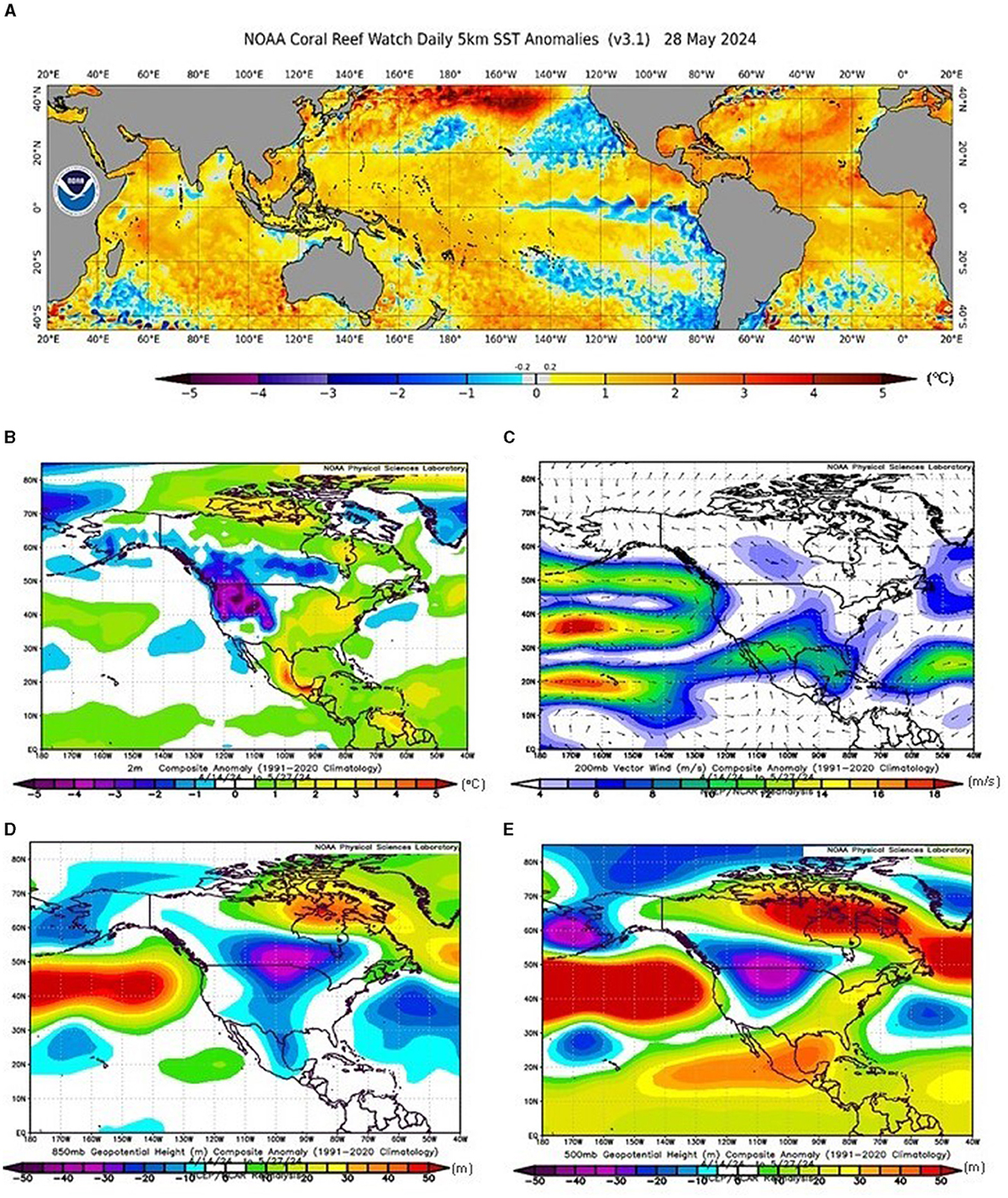
This prolonged period of intense heat is primarily driven by a robust high-pressure system currently anchored over Central Europe. This atmospheric phenomenon acts as a thermal engine, effectively drawing warm air currents from the south directly towards the Netherlands. The result is a combination of clear, azure skies, an abundance of sunshine, and, crucially, minimal chances of rainfall. While these conditions are undeniably attractive for those yearning for summer, they simultaneously create a landscape highly susceptible to overheating and dryness. The lack of precipitation further exacerbates the situation, turning green spaces into potential tinderboxes and elevating the overall risk profile of the heatwave.Navigating the Zonovergoten Weer: Human Health & Safety in Focus
While the allure of basking in the radiant sun is strong, especially after a cooler spring, the authorities and health organizations are urging the public to exercise extreme caution. The dangers posed by such high temperatures are real and can affect anyone, though some groups are particularly vulnerable.Essential Precautions for Everyone:
- Stay Hydrated: This is paramount. Drink plenty of water throughout the day, even if you don't feel thirsty. Avoid excessive alcohol, caffeine, and sugary drinks, as these can contribute to dehydration. Keep a water bottle handy at all times.
- Seek Shade: Limit your exposure to direct sunlight, especially during the hottest hours of the day, typically between 12 PM and 4 PM. If you must be outdoors, find shaded areas under trees or awnings.
- Lighten Your Load: Avoid strenuous physical activity during peak heat. If you need to exercise, do so in the early morning or late evening when temperatures are cooler.
- Dress Appropriately: Opt for loose-fitting, light-colored clothing made from breathable fabrics like cotton or linen. A wide-brimmed hat and sunglasses are also advisable.
- Cool Down: Take cool showers or baths, use a damp cloth on your neck and wrists, or mist yourself with water to help regulate your body temperature.
Protecting Our Most Vulnerable:
Certain demographics require extra attention during a heatwave. The elderly, young children, and individuals with chronic medical conditions (such as heart disease, diabetes, or respiratory issues) are particularly susceptible to heat-related illnesses.
- Check In: Make an effort to regularly check on elderly relatives, neighbors, or friends. Ensure they have access to water, shade, and are aware of the risks.
- Protect Children: Never leave infants or young children unattended in parked cars, even for a moment, as temperatures can rise dangerously fast. Ensure they drink frequently and play in shaded areas.
- Medical Awareness: If you have a chronic condition, consult your doctor about managing your medication and health during hot weather. Be aware that some medications can affect your body's ability to regulate temperature.
Recognizing the signs of heat exhaustion and heatstroke is crucial. Symptoms of heat exhaustion include heavy sweating, cold, clammy skin, nausea, muscle cramps, and faintness. Heatstroke, a medical emergency, presents with a high body temperature (above 40°C), hot, red, dry skin (or sometimes damp), a strong, rapid pulse, and confusion. If you suspect heatstroke, call emergency services immediately. For more detailed advice on staying safe, refer to Dutch Heatwave: Your Guide to Staying Safe in 30°C+ Weather.
Safeguarding Our Ecosystems: Mitigating Forest Fire Risks
The delightful zonovergoten weer, while ideal for outdoor leisure, also brings with it a significantly elevated risk of forest fires, particularly in the Netherlands' dry natural areas. The Royal Netherlands Meteorological Institute (KNMI) has issued specific warnings, highlighting the precarious balance between enjoyment and potential disaster.Understanding the Risk:
Dry conditions, low humidity, and consistent sunshine combine to create a perfect storm for wildfires. Grasses, shrubs, and even the topsoil in forests and heathlands can become extremely dry and act as highly flammable "tinder." A single spark, whether from a discarded cigarette, a stray ember, or even glass acting as a magnifying lens, can rapidly ignite and spread, leading to devastating consequences for flora, fauna, and sometimes even nearby communities.
Prevention is Key:
The vast majority of wildfires are human-caused and thus preventable. Our collective vigilance is the most effective defense:
- No Open Flames: Absolutely no campfires, barbecues, or bonfires are permitted in or near natural areas during periods of high fire risk. Adhere strictly to local fire bans.
- Mind Your Smoking: Never smoke in nature reserves or forests. If you must smoke, do so in designated, safe areas and ensure all cigarette butts are completely extinguished and disposed of properly in non-flammable containers.
- Be Careful with Glass: Discarded glass bottles or shards can magnify sunlight and start fires. Always take your rubbish with you.
- Vehicle Awareness: Parking hot vehicles on dry grass can ignite a fire from the exhaust system. Park on paved surfaces or in designated parking areas.
- Garden Debris: If you live near a natural area, ensure your garden is free of dry leaves and other flammable debris.
- Fireworks: Avoid using fireworks in or near dry natural environments.
What to Do If You Spot a Fire:
If you encounter a wildfire, no matter how small it seems, act quickly and responsibly:
- Prioritize Safety: Your safety and the safety of those with you come first. Move away from the fire to a safe distance.
- Call Emergency Services: Immediately dial 112 (the European emergency number in the Netherlands). Provide precise details of the fire's location, size, and any immediate threats.
- Do Not Attempt to Extinguish It: Unless it's a very small fire you can put out safely with water or sand, do not try to fight it yourself. Wildfires can spread with terrifying speed and unpredictability.
- Alert Others: If there are people nearby, warn them about the fire and advise them to move to safety.
Pet Protection in the Summer Sun: Keeping Our Furry Friends Safe
As temperatures soar with the beautiful zonovergoten weer, it's not just humans who are at risk. Our pets, especially dogs, cats, and small outdoor animals, are also highly susceptible to heat stress and heatstroke. As responsible owners, it's our duty to ensure their comfort and safety.General Principles for Pet Safety:
- Constant Hydration: Always provide fresh, clean water for your pets. Ensure their water bowl is full and, for outdoor pets, consider multiple water sources in shaded areas.
- Shade and Shelter: Ensure your pet has constant access to shade, whether indoors or outdoors. If your pet usually stays outside, bring them indoors during the hottest parts of the day.
- Never Leave Pets in Cars: This cannot be stressed enough. Temperatures inside a parked car can rise to deadly levels in minutes, even with windows slightly ajar. It is a fatal mistake.
Specific Tips for Different Pets:
Dogs:
- Pavement Check: If the pavement is too hot for your bare hand, it's too hot for your dog's paws. Walk your dog in the early morning or late evening. Consider protective booties for walks on hot surfaces.
- Exercise Wisely: Limit walks and strenuous play during peak heat. Dogs don't sweat like humans and can overheat quickly. Opt for indoor games or gentle, short walks during cooler hours.
- Grooming: While it might seem intuitive to shave a long-haired dog, their coat actually provides insulation and protects against sunburn. Consult a groomer for advice on appropriate summer cuts.
- Cooling Aids: Invest in cooling mats, vests, or bandanas. A paddling pool can also be a fun and effective way for some dogs to cool down.
- Recognizing Heatstroke: Watch for excessive panting, drooling, lethargy, difficulty walking, vomiting, or dark red gums. If you notice these signs, move your dog to a cool area, offer small amounts of water, and contact your vet immediately.
Cats:
- Cats are often more self-sufficient at finding cool spots, but still need help.
- Ensure access to fresh water and cool, quiet places to retreat, such as basements or tiled floors.
- Older or overweight cats are more prone to heat stress.
Small Animals (Rabbits, Guinea Pigs, etc.):
- If housed outdoors, move hutches or enclosures into full shade.
- Provide frozen water bottles wrapped in towels for them to lean against, or ceramic tiles for cooling.
- Ensure ample water supply and check it frequently.